5 months ago
52
5 months ago
52
The post Work Travel Hacks to Save Money appeared first on Penny Pinchin' Mom.
Travel costs have been creeping up lately, and if you find yourself traveling for work often, those expenses can add up quickly. The good news is, there are a few practical ways to keep things under control without making your trips stressful or uncomfortable.
After years of traveling for work, I’ve come to realize that saving money isn’t about chasing the absolute lowest price every single time, it’s about building a repeatable system that balances cost, convenience, and reliability.
Here, I’m sharing work travel hacks to save money, that consistently keep travel expenses in check, without sacrificing comfort or productivity.
Start With Constraints, Not Deals

One of the most impactful changes I made was shifting away from deal-hunting and moving toward setting clear spending boundaries instead.
There are many reasons why this is a better approach; the most obvious is that it can save you a lot of time (and time is money, as they say). Just as compelling for me, though, is the fact that it gave me back a lot of mental real estate. When you’re chasing the cheapest possible fares and fees, you’re never exactly sure when the work is done. If you set consistent price limits that you’re happy with, though, you can stop worrying about whether you’re leaving money on the table and focus your attention on more important things.
So, instead of asking, “what’s the cheapest option?” I now define acceptable price ranges for each category:
- Flights (per mile)
- Hotels
- Ground transportation
By setting a reasonable budget range (and sticking to it) you avoid over-optimizing. If a flight or hotel room falls within 10–15% of the lowest available fare and within my budget, I’ll just book it right away.
Flights
Airfare is typically the biggest variable when it comes to the cost of business travel. This is both good news and bad news. While you can end up spending eye-watering sums on flights, you can also save big money if you know what you’re doing.
I’m not talking about using VPNs or incognito windows. I know a lot of travel bros swear by such technical hacks, and I’ve experimented with them myself, but results have been mixed.
However, there are a few tactics that consistently pay dividends.
Booking Timing

It’s no secret that you should book flights as far in advance as possible.
For domestic flights, booking one to three months in advance tends to yield the best prices. For international travel, that window extends to two to six months. Last-minute bookings (within 14 days) can increase fares by 30–50% or more.
Of course, it’s not always possible to book business flights months (or even weeks) in advance. Things happen, and if you really need to plan a trip at the last minute, you may have to just suck it up and pay whatever the airlines are charging.
However, when the opportunity arises, try to book in plenty of time.
Day of Travel
Flights departing Tuesday through Thursday are usually the cheapest, while those on Fridays and Sundays are usually the most expensive. Midweek departures are 10–20% less expensive for internal flights, in my experience.
Strategic Flight Selection
The cheapest flight is not always the most economical choice. Late-night flights, for example, carry a higher risk of delays or cancellations, which can lead to unplanned hotel stays or missed meetings. Saving $25 on a flight doesn’t count for much if you end up dropping $250 on a hotel for the night because you miss your connection.
What this really means is that you need to look beyond the headline price. If you’re going for the cheapest option, just make sure it’s not leaving you at risk of some extra expense.
Comparison Tools
I generally rely on Google Flights to quickly compare options across dates and airlines. Skyscanner does pretty much the same job, in my experience; I wouldn’t recommend one over the other. Just pick whichever one you like best.
The calendar view on both platforms makes it easy to identify pricing patterns without spending excessive time searching.
Stacking Up Points

Another cost-saving strategy is sticking with a single airline alliance when possible. Loyalty programs often provide benefits like free checked bags, priority boarding, and upgrades—all of which reduce out-of-pocket costs over time.
Accommodation
The right accommodation for business travel looks very different from the perfect stay for a vacation. When you’re on the road for work, consistency beats novelty every time. Instead of unique or boutique options, you should be prioritizing:
- Proximity to meeting locations or offices.
- Reliable check-in and check-out processes.
- A functional workspace (this, at a minimum, means a desk and chair).
Location is particularly important. A hotel that’s $40 cheaper per night but requires daily rideshares can easily become the more expensive option.
Hotels vs. Airbnbs
I generally prefer hotels for stays under three nights due to lower cleaning fees and greater flexibility. For longer trips, Airbnb can become more economical (especially when hosts offer discounts for multiple nights). Just make sure you’re not likely to encounter hidden fees for cleaning or late checkout (these have become much more common in recent years, in my experience).
As is the case with airlines, it’s often worth sticking to a single hotel chain where possible to make the maximum possible use of loyalty schemes. Major hotel groups offer rewards programs that can reduce costs over time through free nights, upgrades, and waived fees. If you’re regularly using hotels, these can add up quickly.
Comparison Sites
For comparisons, I often use Booking.com to quickly evaluate pricing across multiple properties before booking directly with the hotel if there are loyalty benefits involved. In fact, even if there are no loyalty points on offer, it’s still generally a good idea to book directly with the hotel; comparison sites often add a percentage to the price you pay.
Ground Transportation
Ground transportation is one of the most overlooked areas of travel spending, but it can quietly become a major expense if you’re not careful with it.
Getting to and From the Airport
Airport transfers are a major source of unexpected costs. A last-minute rideshare during peak hours can easily cost $40–$80, depending on distance and demand.
When possible, public transportation is the most cost-effective choice. Of course, if you’re in North America, this won’t always be a practical option. While many major cities offer airport rail or bus connections for a fraction of the cost of a taxi or rideshare, this counts for little if you’re miles away from the nearest stop.
If driving is necessary, planning ahead is critical.
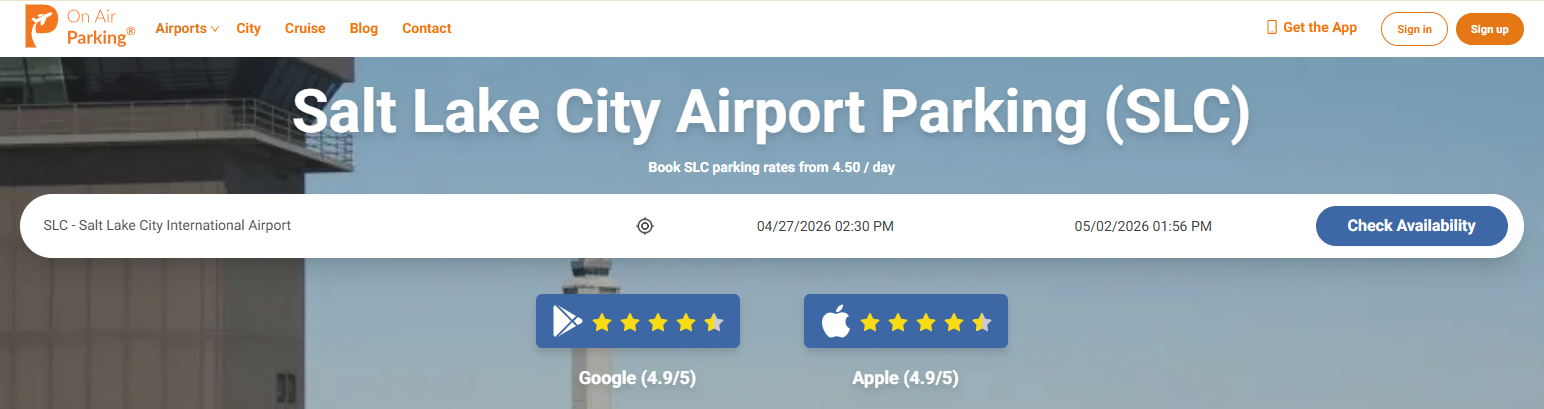
Booking airport parking in advance can reduce costs significantly, sometimes by 30–60% compared to paying on arrival. Services like On Air Parking provide access to discounted long-term parking options near major airports, often at lower rates than official airport facilities.
Other tools worth considering include aggregators like SpotHero or dedicated airport parking providers, which allow travelers to compare prices and secure reservations ahead of time.
In-City Transportation
For travel within a city, the most cost-effective approach is usually a combination of public transit and walking. Again, though, this really depends on the city. A lot of the time, a car will be the only real choice available to you.
A lot of business travelers like to rent cars, but I usually don’t unless I’m going to be spending multiple days in a city and attending meetings in several different locations. Otherwise, Uber tends to work out cheaper (and saves a lot of hassle). For shorter trips, the cost of parking, fuel, and insurance makes renting a car untenable for me.
Plus, there’s always the risk that the rental car company will charge you hundreds of dollars for a minor scrape on your bumper that may or may not have even occurred while the vehicle was in your possession. This isn’t a concern you’ll ever have while taking an Uber.
A More Sustainable Approach to Business Travel

For frequent business travelers (and especially for busy moms), the goal should not be to minimize cost at all times, but to create a system that produces consistent, predictable outcomes.
That means thinking beyond just the price tag. There’s also a “friction tax” that comes with poor travel decisions like booking inconvenient flight times that hurt productivity, choosing hotels far from where you need to be, or skipping advance planning and paying for it later in both money and stress.
By setting clear spending boundaries, standardizing booking decisions, keeping an eye on loyalty schemes where possible, and planning key logistics in advance, you can reduce both your financial costs and the hidden mental load that comes with constant travel.
This is an approach that will serve you for years, not just weeks or months.
The post Work Travel Hacks to Save Money appeared first on Penny Pinchin' Mom.