50 minutes ago
1
50 minutes ago
1
College is expensive, but the sticker price doesn’t always tell the whole story. As our own kids have gotten older and we’ve navigated college decisions firsthand, I’ve become even more convinced that there are so many creative ways to lower the cost of a college education. Scholarships are a big piece of that puzzle!
I recently asked my Instagram community to share their best tips for finding college scholarships, and you all came through with some fantastic ideas and personal experiences. One thing that really stood out to me? You usually have to be willing to dig.
The biggest scholarships aren’t necessarily the only ones worth pursuing. A $500 local scholarship, a departmental award, an employer scholarship, and a few smaller essay contests can start adding up surprisingly quickly.
And sometimes the less obvious opportunities have far fewer applicants!

How to Find Scholarships for College:
If you’re trying to figure out how to pay for college without taking on mountains of student loan debt, here are some ideas to find college scholarships:
1. Start With the College’s Financial Aid Office
Several readers emphasized this, and I think it’s one of the most important tips on this list: Talk to the financial aid office!
Don’t assume the initial financial aid package is the only money available. Ask about institutional scholarships, departmental scholarships, grants, endowed scholarships funded by alumni, work-study opportunities, and scholarships that become available to current students after their freshman year.
One reader shared that her three daughters attend Colorado Christian University and have received a combination of academic scholarships, major-specific scholarships, grants, and even an endowed global studies scholarship.
Another important thing to know: If your family’s financial circumstances have changed significantly, ask the financial aid office whether you can request an aid adjustment through what’s known as professional judgment. Federal Student Aid says schools may consider certain special circumstances, such as a loss of employment or significant uncovered medical expenses, when reviewing financial aid eligibility.
It never hurts to ask, “Are there any other scholarships or financial aid opportunities we should apply for?”
2. Look For Scholarships Connected To Your Major
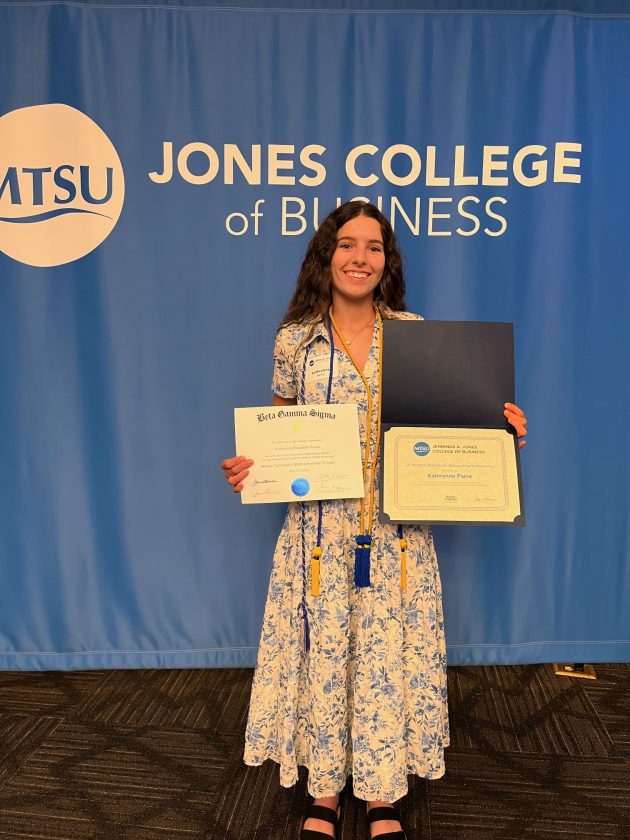
Don’t stop at university-wide scholarships. Once you’ve chosen a major, or at least narrowed down your interests, investigate the individual college or department.
One reader told me that the agriculture and engineering colleges at the University of Arkansas award a large number of scholarships and that her kids have received multiple scholarships that can stack together. Depending on your field, there may be scholarships specifically for future nurses, teachers, engineers, accountants, journalists, social workers, or other professionals.
Search phrases such as “[major] scholarships,” “[major] scholarships in [your state],” or “[university] [department] scholarships.”
Also ask your academic department directly and investigate funding through your academic program, in addition to the university’s main financial aid office.
3. Don’t Overlook Local Scholarships
This tip came up again and again: Start local.
National scholarships can attract thousands of applicants. Your local scholarship from a credit union, civic organization, business, church, nonprofit, or community foundation might have a much smaller applicant pool.
Check with your:
- High school guidance office
- Local community foundation
- Credit unions and banks
- Chamber of commerce
- Rotary, Kiwanis, and other civic organizations
- Churches and religious organizations
- Local businesses
- Parents’ employers
- Professional associations
One reader specifically recommended checking local credit unions because many offer scholarships to members.
Even if an award is “only” $500 or $1,000, remember that several smaller scholarships can add up to thousands of dollars.
4. Treat Applying For Scholarships Like a Numbers Game
This might be one of my favorite pieces of reader advice.
One mom told me:
“My daughter applied and received $80,000 in scholarships for college and was able to go to private college debt free. She applied to just about every scholarship that she met the requirements for. The guidance office should have lots of resources or try Googling. Something else that helped is my daughter took dual credit classes in high school, so then she was able to graduate college in 3 years. She also worked extremely hard and got wonderful grades and when she applied they gave her a very generous academic credit.”
$80,000!!
I love this example because there wasn’t one magical scholarship that made college affordable. They combined multiple strategies: scholarships, strong academics, dual-credit courses, and graduating early.
Don’t apply for three scholarships and give up when you don’t hear back.
Consider setting a goal of applying for a certain number each week or month. Keep a spreadsheet with the scholarship name, amount, deadline, requirements, application status, and notification date.
The more qualified opportunities you pursue, the more chances you give yourself to win.

5. Search For Scholarships That Require a Little More Effort
It can be tempting to focus exclusively on “no essay” scholarships because they’re so easy to enter.
But easy applications can also mean more competition.
One reader recommended The Scholarship System, which teaches families how to search for scholarships and put together competitive applications. One of her biggest takeaways was to pay particular attention to essay-based scholarships and learn how to write a strong scholarship essay.
I’d encourage your student to create a folder containing a strong general essay, transcript, activity list, volunteer experience, work history, awards, recommendation letters, and other commonly requested materials.
You shouldn’t submit the exact same essay everywhere, but having a solid starting point can make applying for multiple scholarships much less overwhelming.
6. Use Google Strategically
Don’t just search “college scholarships.” Get specific! Combine words that describe the student with terms such as “scholarship,” “grant,” or “award.”
For instance, search for scholarships based on:
- Major or career goal
- State or hometown
- Volunteer activities
- Hobbies
- Sports
- Academic achievements
- Employer
- Community involvement
- Clubs and organizations
You can also combine categories: “Tennessee engineering scholarships,” “scholarships for high school musicians,” or “education major scholarships.”
Try several versions of each search and repeat the process periodically because new opportunities and deadlines are constantly popping up.
7. Use AI to Brainstorm Scholarship Searches…But Verify Everything
Several readers mentioned using ChatGPT to help uncover ideas, and I think this can be a great starting point.
You could provide details such as your student’s state, intended major, academic interests, extracurricular activities, volunteer experience, hobbies, career goals, and other relevant information and ask for categories of scholarships they might qualify for.
You could also ask AI to generate specific Google search phrases you might not have thought of. But here’s the important part: Don’t blindly trust an AI-generated scholarship listing.
Scholarships change, deadlines pass, and information online can become outdated. Always go directly to the organization offering the scholarship to verify the eligibility requirements, deadline, award amount, and application instructions before spending time on an application.

8. Prepare For the PSAT/NMSQT
If you have a high school student, don’t dismiss the PSAT as just another practice test. The PSAT/NMSQT is the qualifying test used to enter the National Merit Scholarship Program.
One reader told me her daughter received offers from schools that included free tuition after earning National Merit recognition.
Not every student will qualify, of course, but if your child is a strong test-taker, it may be worth preparing seriously for the PSAT/NMSQT and researching colleges that offer merit aid connected with strong academic performance or National Merit recognition.
9. Look For Employers That Help Pay For College
If your teenager or college student plans to work anyway, why not investigate employers that can help pay for school?
Many companies offer some type of tuition assistance, reimbursement, or scholarship program to eligible employees. Requirements vary widely, including how long you need to work there, which schools or programs qualify, and how much the company will contribute.
Before accepting a part-time job, compare the total benefits rather than just the hourly wage. An employer paying slightly less per hour but providing thousands of dollars toward tuition could potentially be the better financial choice.
And don’t just look at the student’s employer. Check whether a parent’s or guardian’s company offers scholarships to employees’ dependents, too.

10. Explore Scholarship Newsletters, Groups, and Databases
You don’t have to find every opportunity yourself.
One reader recommended the JLV College Counseling Scholarship Saturday newsletter, which regularly shares scholarship opportunities.
Another recommended the Facebook group Scholarship Help and College Talk for Parents as a source of free information and resources.
Candid can also be a starting point for researching student funding. It recommends that students complete the FAFSA, investigate state aid, contact college financial aid offices, explore scholarship directories, and look for assistance through academic departments and community or professional organizations. Candid also provides information about finding foundation grants and scholarships for individuals.
The goal here is to build a system where scholarship opportunities come to you instead of relying entirely on remembering to search.
11. Complete the FAFSA (Even If You Don’t Think You’ll Qualify)
Don’t assume your family’s income automatically means your student won’t receive help. Completing the FAFSA is the first step toward qualifying for federal student aid, including grants, work-study, and federal student loans. Some scholarships may also use FAFSA information when determining eligibility.
Federal Work-Study can be particularly useful because eligible students can earn money through part-time jobs while attending school. However, receiving a work-study award doesn’t automatically give you the money. Students still need to find and work an eligible job.
Even if you don’t expect need-based federal grants, I wouldn’t automatically rule yourself out before filling out the FAFSA and seeing what options are available.
12. Remember: Scholarships Aren’t the Only Way To Reduce College Costs
Finding more scholarship money is fantastic. But another strategy is simply finding ways to need less money in the first place.
- Dual-enrollment and Advanced Placement classes during high school could allow a student to enter college with credits already completed.
- Community college can dramatically reduce the cost of completing general education requirements.
- Living at home, working during school, choosing an affordable in-state college, and graduating early can all potentially lower the total bill.
That’s why I encourage families to look at the total cost of getting the degree, not just the amount of scholarship money offered.
A private school offering $30,000 per year in scholarships isn’t necessarily cheaper than a public university offering $5,000. Compare what you’ll actually need to pay after grants and scholarships including tuition, fees, housing, meals, transportation, and other expenses.
We’ve shared many more ideas in our posts on Going to College Debt-Free: Our Best Tips & Strategies and How to Graduate College Debt-Free.

Don’t Assume the Sticker Price is What You’ll Pay
If there’s one thing I’ve learned from hearing other families’ stories, it’s that paying for college often requires creativity, persistence, and a willingness to ask questions.
Apply for the $500 scholarship. Email the financial aid office. Search your intended major. Check the local credit union. Fill out the FAFSA. Apply for another scholarship even after you’ve been rejected from five others.
And don’t assume a private college will automatically cost more than a public university. As one reader’s experience showed, a combination of academic, departmental, and endowed scholarships and grants can sometimes make a seemingly expensive school surprisingly affordable.
Most importantly, involve your student in this process. Searching for scholarships, writing essays, meeting deadlines, and communicating with financial aid offices are valuable skills. And when students have some ownership over figuring out how to pay for college, they may appreciate the opportunity even more.
What are your best tips for finding college scholarships? Have you or your student found scholarships in an unexpected place? I’d love to hear what’s worked for your family!