6 months ago
56
6 months ago
56
The post Healthy Dinners for Weight Loss That Actually Work appeared first on Penny Pinchin' Mom.
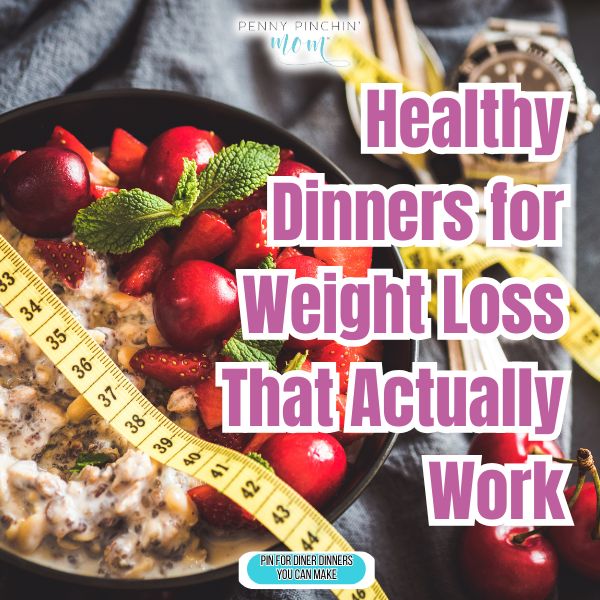
You’re trying healthy dinners for weight loss: grilled chicken and salad most nights, skipping dessert, and still not seeing the scale move. Meanwhile, your neighbor’s losing weight by eating tacos and pasta. What gives?
The truth isn’t about eating bland chicken forever or cutting out entire food groups. It’s about understanding which dinner choices actually support fat loss and which ones just sound healthy but keep you stuck. Most people get portion sizes wrong, overdo “healthy” fats, or choose meals that leave them ravenous by 9 PM, then raid the pantry and undo the whole day.
This guide breaks down what actually works for weight loss dinner recipes: the protein targets that keep you full, the sneaky calorie traps disguised as healthy options, and exactly what your plate should look like. You’ll learn which low-calorie dinner recipes fill you up without blowing your calorie budget, what to limit (even if it’s labeled “clean”), and how to spot the foods that stall progress. Plus, you’ll get 10 sample dinner plates with specific portions and calorie counts so you know exactly what works. No guessing, no tracking apps required.
What Your Weight Loss Dinner Plate Should Actually Look Like
Your dinner plate for weight loss needs three things: 25-35 grams of protein, 2-3 cups of low-calorie vegetables, and controlled portions of everything else. That’s it. The protein keeps you full for 3-4 hours, so you’re not hunting for snacks before bed. The vegetables add volume and nutrients for minimal calories—most contain 25-50 calories per cup. What trips people up is the “everything else” category.
Protein targets by body size:
- 130-160 pounds: aim for 25-30 grams per dinner
- 160-200 pounds: aim for 30-35 grams per dinner
- Over 200 pounds: aim for 35-40 grams per dinner
Meeting these targets means you’re eating 4-6 ounces of meat, 6-8 ounces of fish, or 1.5-2 cups of high-protein plant options like lentils or tofu. Most people undereat protein at dinner, then wonder why they’re starving by bedtime. A 3-ounce chicken breast (about the size of a deck of cards) only provides 26 grams of protein—that’s borderline for a 130-pound person and too low for everyone else.
The vegetable volume trick:
Fill half your plate with these low-calorie, high-volume options (25-50 calories per cup cooked):
- Broccoli, cauliflower, Brussels sprouts
- Zucchini, bell peppers, mushrooms
- Green beans, asparagus, snap peas
- Leafy greens (spinach, kale, chard)
- Cabbage, bok choy, eggplant
These vegetables let you eat a full, satisfying plate for 50-150 calories total. Compare that to the same volume of pasta (200 calories per cup) or rice (200-240 calories per cup), and you see why vegetable volume matters for weight loss.
Where portion control actually matters:
The remaining quarter of your plate is where most people blow their calorie budget. Even healthy fats and complex carbs add up fast:
- Olive oil: 120 calories per tablespoon (measure, don’t pour)
- Avocado: 240 calories per whole avocado (stick to 1/4-1/3)
- Brown rice: 215 calories per cooked cup (1/2 cup is plenty)
- Quinoa: 220 calories per cooked cup (same rule)
- Sweet potato: 100-130 calories per medium potato
One tablespoon of oil too many, an extra 1/4 avocado, and a full cup of rice instead of a half cup adds 300-400 calories to an otherwise perfect dinner. Do that nightly, and you’ve wiped out your entire weekly deficit.
Calorie-Dense Whole Foods That Stall Weight Loss
These foods get a health halo but wreck your calorie budget without providing much satiety. They’re not “bad”—they’re just calorie-dense enough to stall progress when portions creep up, or you eat them daily thinking they’re free passes.
Nut butters and nuts (100-200 calories per serving):
Two tablespoons of almond butter clocks in at 190-200 calories. Most people eat 3-4 tablespoons without measuring, adding 300-400 calories to a dinner. Same with cashews, almonds, or walnuts sprinkled on salads—a “small handful” usually means 1/4 cup (160-200 calories), not the 1-ounce serving size on the package (about 2 tablespoons).
Watch for nuts and nut butters in these common dinner scenarios:
- Peanut sauce on stir-fries (add 150-250 calories)
- Almond slivers on salads (add 80-160 calories)
- Cashew-based “cream” sauces (add 200-300 calories per serving)
- Thai curries made with nut-heavy pastes (add 150-200 calories)
Dried fruit (100-120 calories per 1/4 cup):
Fresh grapes contain about 60 calories per cup. Raisins (dried grapes) contain 120 calories per 1/4 cup—the water’s gone, but the sugar and calories are concentrated. A “sprinkle” of dried cranberries on your salad is usually 2-3 tablespoons (60-90 calories) of pure sugar with minimal fiber to slow digestion. You’re hungry again in 90 minutes.
Swap dried fruit for fresh when possible. If you want something sweet with dinner, 1 cup of berries adds 50-80 calories and actual fiber that keeps you full.
Granola and “healthy” crunchy toppings (120-150 calories per 1/4 cup):
Granola marketed as healthy or organic still packs 500-600 calories per cup, mostly from added oils and sugars. Sprinkling it on yogurt bowls or using it as a salad topping adds 100-200 calories without much protein or staying power. Roasted chickpeas, toasted seeds, or even croutons made from whole-grain bread provide crunch for fewer calories and more protein.
Prepared “Healthy” Foods That Sabotage Weight Loss
These meal-style options feel light and nutritious but pack hidden calories that add up fast—often with minimal protein to keep you satisfied.
Smoothie bowls and açai bowls (400-700 calories):
These feel light and healthy but usually contain 2-3 servings of fruit (150-200 calories), granola (120-150 calories), nut butter (100-200 calories), coconut flakes (100-130 calories), and sweetened açai base (80-120 calories). That’s a 550-800 calorie “snack” with minimal protein—you’ll be hungry in 2 hours.
If you want a smoothie-style dinner, blend 1 cup of berries, 1 scoop of protein powder, 1 cup unsweetened almond milk, ice, and 1 tablespoon nut butter. That’s 250-300 calories with 25-30 grams of protein, and you can eat it with a spoon if you prefer the bowl experience.
Store-bought salad dressings (50-150 calories per 2 tablespoons):
“Light” or “low-fat” versions often add sugar to compensate for the removed fat—you’re still getting 45-70 calories per tablespoon. Regular dressings run 70-150 calories per 2-tablespoon serving. Most people pour 4-6 tablespoons on a dinner salad (200-400 calories), turning a 100-calorie base into a 500-calorie meal.
Make dressing with 1 tablespoon olive oil, 2 tablespoons vinegar or lemon juice, and seasonings. That’s 120 calories total and coats a large salad. Or use salsa, hot sauce, or mustard-based options for 5-20 calories per serving.
10 Low-Calorie High-Protein Meals That Actually Keep You Full
These sample dinner plates hit 25-35 grams of protein, include 2-3 cups of vegetables, and stay under 500 calories. Portions are measured, so you know exactly what works—no need to track if you build your plate to match.
1. Grilled Chicken Fajita Bowl (420 calories, 35g protein)
- 5 ounces grilled chicken breast
- 1 cup sautéed bell peppers and onions (cooked in 1 teaspoon oil)
- 1/2 cup black beans
- 1/4 avocado, diced
- 2 tablespoons salsa
- Fresh cilantro and lime
2. Baked Salmon with Roasted Vegetables (380 calories, 34g protein)
- 5 ounces baked salmon
- 2 cups roasted broccoli and cauliflower (tossed with 1 teaspoon olive oil)
- 1/2 cup roasted butternut squash
- Lemon wedge and fresh dill
3. Turkey and Veggie Stir-Fry (410 calories, 32g protein)
- 6 ounces ground turkey (93% lean), browned
- 2 cups stir-fried vegetables (snap peas, mushrooms, bok choy)
- 1/2 cup cauliflower rice
- 1 tablespoon low-sodium soy sauce or coconut aminos
- 1 teaspoon sesame oil
4. Shrimp Zoodle Bowl (320 calories, 28g protein)
- 6 ounces cooked shrimp
- 3 cups spiralized zucchini, sautéed
- 1/2 cup cherry tomatoes
- 2 teaspoons olive oil
- Fresh basil, garlic, red pepper flakes
5. Lean Beef and Sweet Potato Hash (460 calories, 33g protein)
- 4 ounces lean ground beef (90% lean), cooked and drained
- 1 medium sweet potato (about 5 ounces), diced and roasted
- 1.5 cups sautéed spinach and mushrooms
- 1 teaspoon olive oil
- Season with paprika and black pepper
6. Grilled White Fish with Mediterranean Vegetables (350 calories, 32g protein)
- 6 ounces grilled cod or halibut
- 2 cups roasted eggplant, zucchini, and bell peppers
- 10 olives (about 1 tablespoon sliced)
- 1 teaspoon olive oil drizzled over vegetables
- Fresh oregano and lemon
7. Chicken Lettuce Wraps with Peanut-Free Sauce (380 calories, 34g protein)
- 5 ounces ground chicken, cooked
- 1.5 cups shredded cabbage and carrots
- 8-10 butter lettuce leaves for wrapping
- Sauce: 1 tablespoon rice vinegar, 1 teaspoon sesame oil, 1 teaspoon honey, ginger
- Top with cucumber slices and fresh cilantro
8. Tofu and Veggie Buddha Bowl (390 calories, 26g protein)
- 7 ounces firm tofu, pressed and baked
- 1.5 cups roasted Brussels sprouts and red onion
- 1/2 cup cooked quinoa
- 2 tablespoons tahini-based dressing (1 tablespoon tahini mixed with lemon juice and water)
- Sprinkle with sesame seeds
9. Pork Tenderloin with Green Beans and Mashed Cauliflower (400 calories, 36g protein)
- 5 ounces roasted pork tenderloin
- 2 cups steamed green beans with garlic
- 1 cup mashed cauliflower (made with 1 tablespoon Greek yogurt)
- Fresh thyme and cracked black pepper
10. Turkey Chili with Veggies (420 calories, 35g protein)
- 5 ounces ground turkey (93% lean), cooked
- 1.5 cups diced tomatoes (canned, no sugar added)
- 1 cup diced bell peppers, onions, and zucchini
- 1/2 cup kidney beans
- Season with chili powder, cumin, and garlic
- Top with 1 tablespoon plain Greek yogurt
Each of these healthy dinners for weight loss keeps you satisfied for 3-4 hours without triggering late-night snacking. The protein targets match your body size, the vegetable volume fills you up, and controlled portions of fats and carbs keep calories in check.
Conclusion
Sustainable weight loss dinner recipes aren’t about deprivation or eating the same bland meal every night. They’re about building plates with enough protein to keep you full (25-35 grams), loading up on low-calorie vegetables (2-3 cups), and controlling portions of the calorie-dense foods that sneak in extra hundreds of calories. When you nail those three elements, you can eat satisfying dinners under 500 calories and actually lose weight without feeling hungry by bedtime.
Start with one of the 10 sample dinner plates this week. Pick the one that sounds most satisfying, measure portions exactly as written, and see how you feel 3-4 hours later. If you’re not raiding the pantry or thinking about food before bed, you’ve found your baseline.
Choose one dinner from the list above and commit to making it twice this week with exact portions. Once you know what 25-35 grams of protein and 2-3 cups of vegetables look like on your plate, start swapping ingredients using the same formula. That’s when dinner stops feeling like a diet and starts working like a system.
The post Healthy Dinners for Weight Loss That Actually Work appeared first on Penny Pinchin' Mom.