1 month ago
40
1 month ago
40
The post 6 Ways to Keep Your Bed Sheets Smelling Fresh appeared first on Penny Pinchin' Mom.
There are few household victories I enjoy more than getting into a bed with freshly washed sheets. The problem is that the “fresh” part never seems to last quite as long as I want it to.
Night one is wonderful. A few nights later, the sheets may still technically be clean, but they don’t have that same crisp feeling anymore. And if your bedding is particularly old or the room just hasn’t gotten much air recently, the sheets can start smelling stale surprisingly fast.

If your sheets keep smelling musty faster than you think they should, here 6 ways to keep your bed sheets smelling fresh. A few small laundry and bedroom habits make a much bigger difference than you might think.
Bottom Line Up Front
Sheets go stale fast for boring, fixable reasons. Here’s the short version:
- Don’t let damp sheets sit: Wet fabric in a closed drum breeds the bacteria and mildew behind that musty smell, so dry sheets promptly and completely before folding or storing them.
- Watch what you bring to bed: Shower or change into clean sleep clothes when you can, and check labels on skincare and hair products that can stain bedding.
- Let the bed air out: Pull the covers back for a while in the morning instead of making the bed immediately, and open a window if the weather allows.
- Use odor-resistant sheets if possible: Practical sheets such as silver-based ones reduce bacterial buildup and can stretch time between washes.
- Wash them properly: Use warm water to cut body oil, run a full cycle rather than express, don’t over-pour detergent or lean on softener, give bedding its own load, and clean the washer itself.
- Don’t ignore the rest of the bed: Pillows, mattress pads, duvet covers, and comforters hold odors that fresh sheets won’t mask, and swapping pillowcases between sheet changes buys you extra days.
1. Don’t Leave Damp Sheets Sitting Around
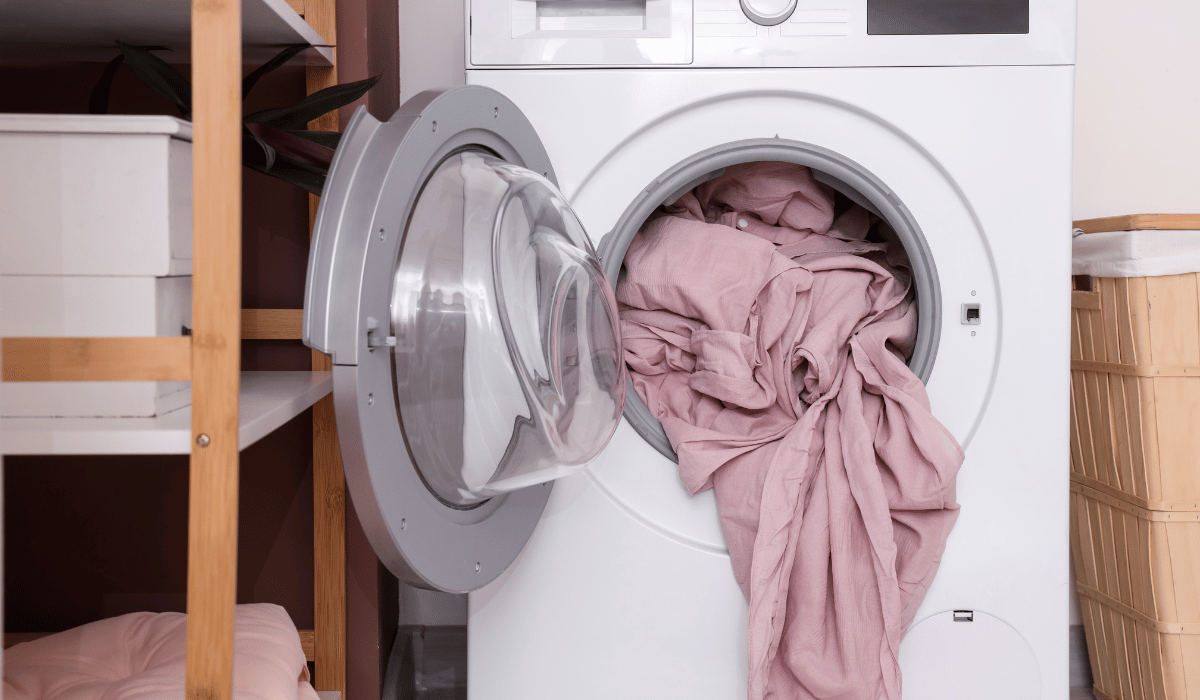
This is probably the easiest way to ruin an otherwise perfectly good load of laundry. If sheets finish washing and then sit wet in the machine for hours, it’s not surprising when they don’t smell quite right afterward.
Wet fabric in a dark, closed drum is the ideal environment for bacteria and mildew. Washing gets your sheets clean, but it doesn’t sterilize them, and whatever is left behind has water and warmth to work with the moment the cycle ends. Those microbes multiply as they feed, and the musty smell is essentially their byproduct.
That’s also why the smell can be stubborn: Once it’s had a few hours to set in, running the load again doesn’t always fully get rid of it, and you may need to rewash and then dry the sheets completely and promptly. Drying quickly is what shuts the whole process down, so the goal is really just to not give anything a warm, damp place to sit.
So if I know I won’t be around when the washer finishes, I’d rather wait to start it. The same goes for the dryer. Ideally, everything would be dry on the first go around, but a fitted sheet can somehow wrap itself around everything else and leave you with one perfectly dry side and one suspiciously cool, damp pocket. So I check before folding because I don’t want to put even slightly damp bedding into a dark linen closet and hope for the best.
Where you store them can also undo good laundry work surprisingly quickly. If your spare bedding consistently comes out of the closet musty, investigate the closet itself. Is it humid? Are you stacking freshly dried sheets before they’ve cooled? Did a damp towel somehow end up in the same space? Clean sheets shouldn’t come out of storage smelling worse than when they went in.
2. Be Careful What You Bring into Bed

Whatever is on your body when you get into bed has a chance of staying there and affecting the smell.
If you’ve spent the day outside, worked out, or gotten sweaty, showering before bed can send those contaminants down the drain and help your sheets stay fresher longer. On nights when you’re not showering, even changing into clean sleep clothes can make a difference.
I’d be particularly aware of what you’re putting on your face or hair before bed too. Some acne treatments, hair products, and other personal-care ingredients can discolor bedding, so it’s worth checking the care instructions for both the product you’re using and the sheets themselves. That isn’t really a freshness issue, but it’s the kind of laundry lesson that people often learn after sacrificing a pillowcase they really liked.
3. Let Your Bed Air Out a Little

I love a made bed. But I also don’t think it needs to be made three seconds after the last person gets out of it. You’ve just spent hours sleeping there, and if the bed feels warm when you get up, pulling everything tightly back into place immediately isn’t doing much to help it cool down.
I usually pull the comforter back while I’m getting ready and make the bed later. It doesn’t have to turn into a whole morning ritual; you’re just giving the bed a little time before covering everything back up. If the weather cooperates, opening a bedroom window for a bit can make the room itself feel fresher too.
4. If You’re Buying New Sheets, Get the Right Ones

If you’re already shopping for new sheets, there are certain fabrics and treatments meant to help with freshness between washes.
Silver sheets are one popular option — bonus points if the silver is woven into the fabric to last longer instead of applied as a treatment after assembly. Silver ions are antimicrobial, which means they slow the buildup of the odor-causing bacteria that make sheets smell stale between washes. I like Miracle Made’s Luxe Sheet Set for this. It’s a 100% cotton, 300-thread-count sateen weave (I still want practical sheets to feel like regular sheets).
That said, you can’t just get fancy silver sheets and not wash them. They don’t do anything about sweat, skin oils, or skincare products — those still transfer to the fabric, and the sheets still get dirty on the normal schedule. What silver slows is the bacterial growth that turns that residue into a smell, so you may get extra time before things go stale.
Would I recommend buying an entirely new set solely because you don’t want to do laundry as often? Probably not. If your current sheets are smelling bad after two days, you’ll want to first know why. And if the sheets you already have are comfortable and washing well, I wouldn’t replace them just to get this one feature. I’d rather keep using what I have and revisit it when those sheets actually need replacing.
But if you’re shopping for a new set anyway and your old sheets are on their way out, going utilitarian with something like silver sheets is a great choice.
5. Wash Your Sheets the Right Way
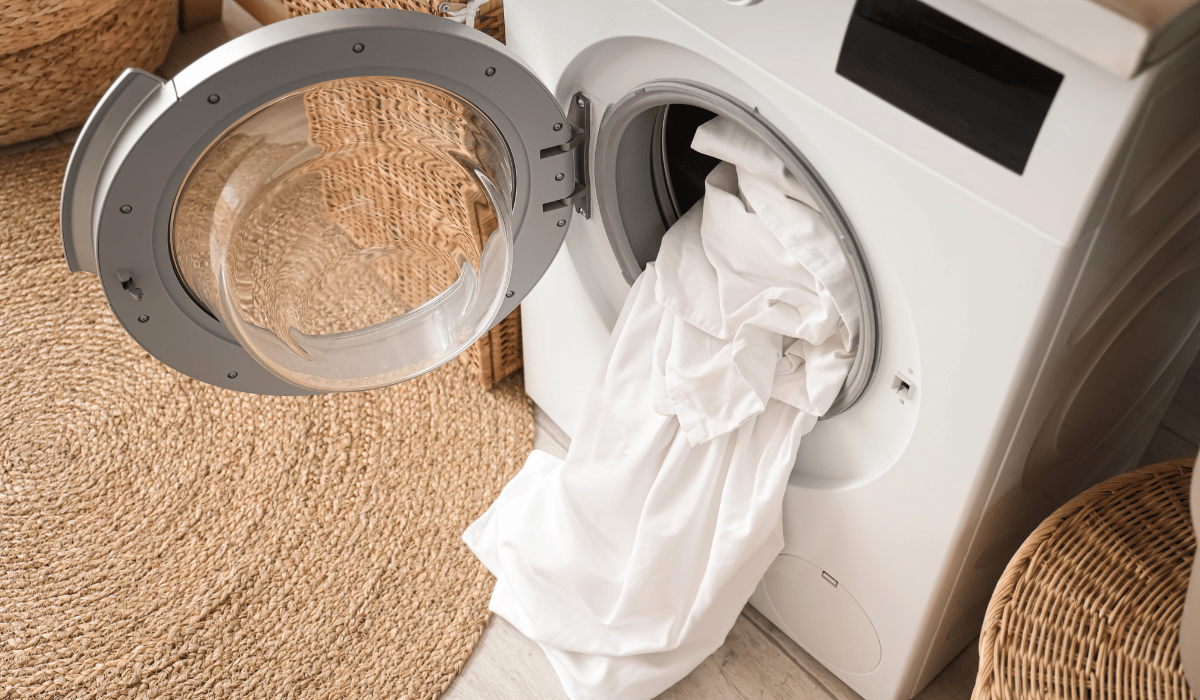
This could be its own article, since there are several things you can do to improve your washing habits, and there are plenty of ways where it can go wrong.
Cold Water Isn’t Always Doing the Job
Most of us default to cold water for everything. And for a lot of laundry, that’s fine. Sheets are a bit of a special case, though, because the thing making them smell stale is mostly body oil, and oil doesn’t dissolve well in cold water. You can run a cold cycle, get sheets that look clean, and still be leaving a thin layer of sebum in the fibers. Then it builds, load after load, until sheets start smelling faintly off within a night or two of being washed.
Warm water gives detergent a much better shot at that oil, and most cotton sheets handle warm just fine. A hot wash does even more, though it’s harder on fabric and color over time, so I wouldn’t make it the default.
Just keep in mind that not every material wants heat. Linen, silk, bamboo viscose, and a lot of microfiber blends do better cool, and some will shrink or pill if you push it.
The other setting worth looking at is cycle length. A quick or express wash is short on both wash and rinse time, which is the opposite of what a big absorbent load of bedding needs. Sheets hold a lot of water and a lot of detergent, and they need the full rinse to give it back. If your sheets come out feeling slightly coated even when you’re measuring detergent correctly, try a normal or bulky cycle and an extra rinse before you change anything else.
How You Sleep Affects How Often You Should Wash
In general, once a week is a safe bet for washing frequency. However, if you’re a hot sleeper, sleep without pajamas, have been sick, or sweat heavily at night, your sheets are going to need more frequent washing than sheets on a barely used guest bed. The same principle applies if you don’t shower before bed or change into clean pajamas.
With that being said, I wouldn’t make a laundry calendar more complicated than it needs to be. At the most, maybe set a maximum amount of time between washes, and if the sheets smell stale early, then wash them.
I definitely wouldn’t fall into the trap of thinking that getting sheets fresh automatically means washing them more often than you need to. Every extra load uses detergent, water, and electricity, and washing is still wear on the fabric. So if a set starts smelling stale unusually fast, I’d rather figure out what’s causing it rather than automatically add another laundry day every week.
More Detergent Is Not Necessarily Better
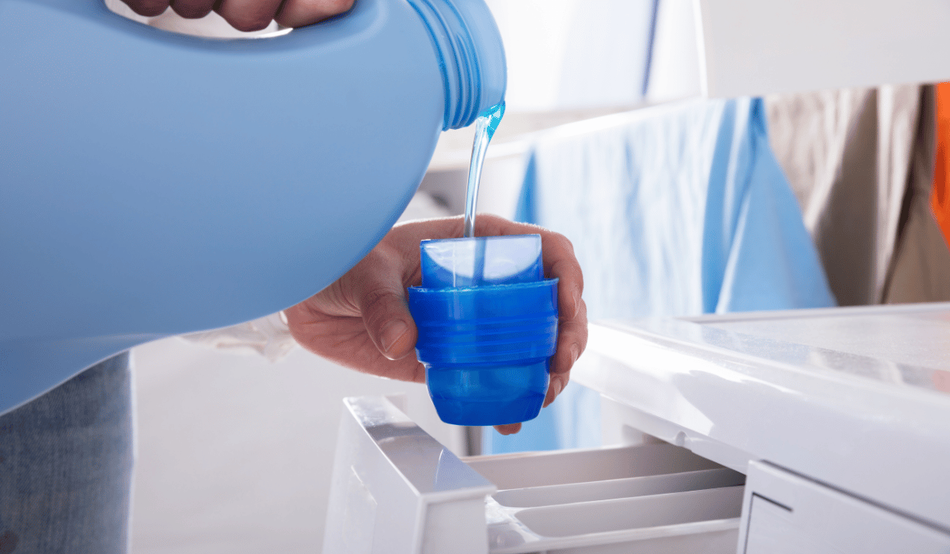
This one feels backward because if sheets smell questionable, adding extra detergent seems logical — but it can also leave you with more detergent sitting in the fabric. And if your machine is packed too tightly or you’re using more detergent than it can rinse away, you can end up with residue instead of fresher bedding. That residue can make sheets feel different too. If cotton that used to feel nice suddenly seems coated or strangely stiff, I’d look at your laundry routine before assuming the sheets themselves have worn out.
So I’d follow the amount recommended for your washer and detergent rather than pouring in an enthusiastic extra glug because the sheets need to be “really clean.” For specialty bedding, read the specific care directions rather than assuming your normal laundry routine applies. Some fabrics and treatments have their own washing instructions, and I’d rather check the label than accidentally shorten the life of a set because I washed it the same way I wash everything else.
Your Fabric Softener Might Not Be Helping
I understand the appeal of fabric softener and how it can make laundry smell really fresh right out of the dryer.
But scent and cleanliness aren’t the same thing. Fabric softeners generally work by leaving conditioning ingredients behind on fabric, and on sheets, that coating can build up over time — just like too much detergent.
So I’d check the care label before automatically adding softener. Sheets don’t necessarily need another coating to feel “good,” especially if you already like how the fabric feels on its own.
Giving Sheets Their Own Load
I also wouldn’t cram every piece of bedding you own into one load to save time. I don’t think sheets need some precious laundry ritual, but tossing them in with whatever happens to be nearby isn’t the answer either.
For one thing, sheets are large. They need enough room to move around and rinse, but once they twist around jeans, sweatshirts and towels, everything has a harder time moving freely through the wash. If opening the washer door releases one giant compressed ball of fitted sheets, pillowcases and towels, you may have asked a little too much of that load.
There are also things I don’t want rubbing against nicer sheets. Zippers, hooks and rough hardware can snag fabric. I usually think of bedding as its own category for that reason. Sheets and pillowcases together make sense; a fitted sheet wrapped around three pairs of jeans and a sweatshirt with a metal zipper does not.
Making Sure Your Washing Machine Is Up to Snuff
Washers deal with water, detergent, dirt, and damp laundry all day, and residue can collect inside them — especially around dispensers, seals, and other places that stay wet. So if clean laundry keeps coming out smelling oddly musty, you’ll eventually have to consider that the problem might be the thing doing the washing.
So make sure you leave the door or lid open when appropriate so the inside can dry between loads. When you clean the washer, follow the manufacturer’s directions, and don’t forget to clean out detergent and softener dispensers if they’re getting gunky.
6. Pay Attention to the Rest of Your Bedding
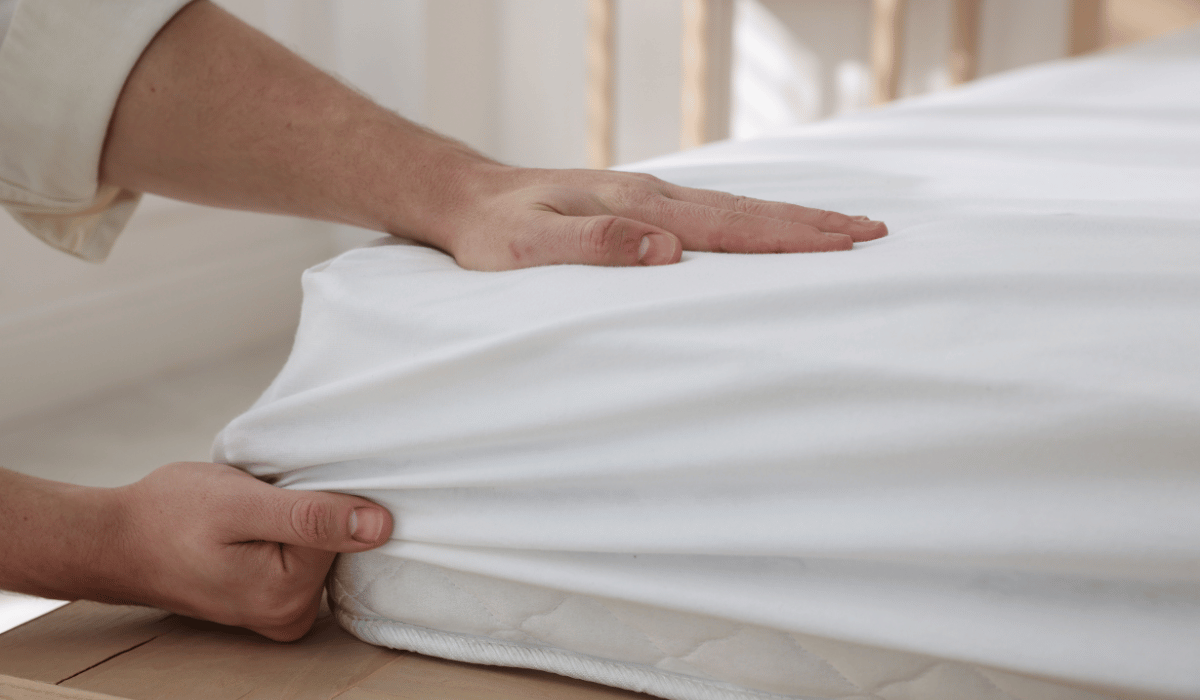
Sometimes, people keep washing their sheets because the bed still doesn’t smell fresh, when the sheets aren’t the only thing in the bed. Pillows, mattress protectors, blankets, comforters, and the mattress itself all sit underneath or around those freshly washed sheets. And if one of them is holding onto an odor, just putting clean bedding on top of it won’t make it disappear.
For example, if my bedding stops feeling fresh early, I often don’t look at the sheets first… I turn to the pillowcase instead. When you add together all the skincare products, hair grease, and whatever your skin naturally produces overnight, your poor pillowcase has a lot going on. Besides, changing an entire set of sheets more frequently isn’t always realistic, but swapping pillowcases between full sheet changes is an easy compromise. Keep an extra pair in the linen closet, and it takes about a minute.
Besides your pillowcases, check the care labels for your pillows, mattress pad, duvet cover and comforter and clean them according to a reasonable schedule. A washable mattress protector is useful here because it gives you another removable layer between you and a mattress that obviously can’t be thrown in the washer.
Fresh Sheets Should Mostly Smell Like Clean Sheets

I used to associate “fresh laundry” much more with fragrance than I do now. There is something satisfying about opening a dryer and getting that big detergent-commercial cloud of scent. But for bedding, I’ve become more focused on whether it stays clean-feeling.
My routine is pretty simple. I wash sheets before they get noticeably funky, don’t overload the machine, use an appropriate amount of detergent, get them into the dryer instead of letting them sit in the washer, and make sure they’re truly dry before they go back on the bed or into the closet. I also pay attention to the details around the sheets: pillowcases, mattress protection, the washer itself, and what we’re bringing into bed at night.
Most of the time, keeping sheets fresh doesn’t require buying a cabinet full of laundry products or replacing perfectly good bedding. It comes down to washing what you already own well, drying it completely, and fixing the little habits that are making it get stale faster than it should. And when it is finally time to replace a set, that’s when I’d look at whether a feature designed to help with freshness is worth considering. Until then, I’m getting as much life as I can out of the sheets already on my bed.
The post 6 Ways to Keep Your Bed Sheets Smelling Fresh appeared first on Penny Pinchin' Mom.